ARTICLE HIGHLIGHT: Beach mice are small animals that help keep sand dunes healthy by spreading seeds and digging burrows.
MAIN TAKEAWAY: Beach mice are very important. If they are doing well, it usually means the dune habitat is healthy too.
HOW YOU CAN HELP: Stay off the dunes, keep outdoor lights low at night, and plant native plants to help protect beach mice and their homes.
Meet the Beach Mouse
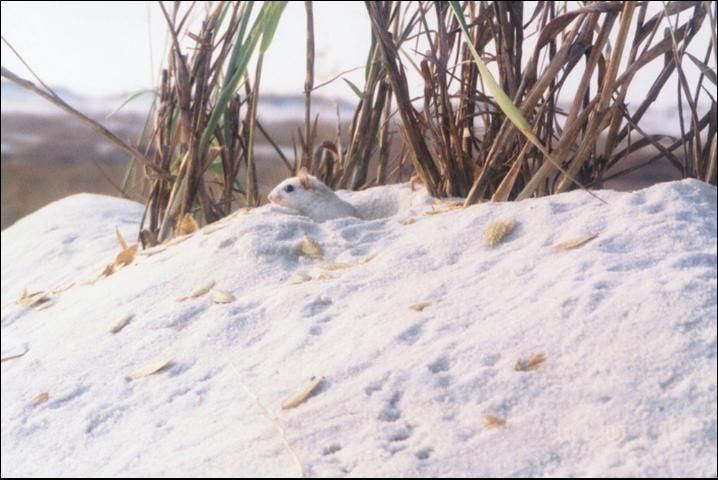
Credit: Florida Fish and Wildlife Conservation Commission
Along the white sandy beaches of the Gulf Coast lives a tiny animal called the beach mouse. Even though it is small, it plays a big role in keeping dunes healthy. Scientists study beach mouse populations to assess dune health. In general, more beach mice mean a healthier dune habitat. Beach mice live along the Gulf Coast from Alabama to Florida.
Where Did Beach Mice Come From?
Beach mice came from the old field mouse, which lives in the southeastern United States. Over many years, some mice became separated along the coast. They slowly evolved to fit life on the beach, creating different kinds of beach mice. Today, there are five Gulf Coast beach mouse subspecies, and each lives in its own part of the coast.
All Gulf Coast beach mice are listed as threatened or endangered because they are losing their homes. A threatened animal could become endangered. An endangered animal is at risk of disappearing forever.
What is life like for a Beach Mouse?
Beach mice are about 4 to 5½ inches long, including their tails. They weigh about as much as two or three nickels. Their light brown or gray fur helps them blend in with the sand and hide from predators.
Beach mice are active at night and usually stay with the same mate for life. A mother has about four babies at a time, and the babies grow quickly. Within a month, they are ready to have their own young. Most beach mice live less than one year in the wild.
They eat seeds from beach plants like sea oats, as well as insects. They also save extra seeds in their burrows to eat later.
Beach mice dig amazing burrows in the sand. A sloping tunnel leads down to a nesting chamber about 2 to 3 feet underground. They also dig an escape tunnel that comes out just below the sand’s surface. These burrows protect the mice from predators and bad weather. The burrows can be used and repaired by many generations of beach mice. One beach mouse may build a burrow with up to 10 chambers, creating a large underground tunnel system beneath the dunes.
Why Are Beach Mice Called Dune Architects?
Beach mice help spread the seeds of native plants as they gather food. Plants like sea oats hold the sand in place with their roots. This helps sand dunes grow back after storms.
Because beach mice need healthy dunes to survive, scientists can use them as a sign of how healthy the dune habitat is. If beach mouse numbers go down, it may mean the dunes are in trouble.
What Threatens Beach Mice?
The biggest threat is habitat loss. Building houses, roads, and hotels destroys the dunes where beach mice live.
Bright outdoor lights also make it harder for beach mice to find food because predators can see them more easily with bright lights. Cats and foxes hunt beach mice, and hurricanes can destroy their burrows and dune habitat.
Scientists are helping beach mice by restoring dunes and moving some mice to safe places where they can start new populations.
What is Being Done to Protect Beach Mice?
Beach Mice are protected at the Federal level, and many communities relied on permits directly from U.S. Fish and Wildlife Service to obtain approval for development in areas that could impact beach mice habitat. However, in Perdido Key, FL a Habitat Conservation Plan (HCP) Authorization of Coverage, also called a Beach Mouse Permit, is used instead.
In the past, property owners had to apply directly to the U.S. Fish and Wildlife Service for an Incidental Take Permit, which could take up to two years. To make the process faster while still protecting wildlife, Escambia County now has its own permit program. If a project meets the county’s Habitat Conservation Plan requirements, the county can issue a Beach Mouse Permit instead.
Property owners need this permit if their land contains critical or suitable beach mouse habitat. To receive the permit, they must submit a Habitat Management Plan, site plans, and pay required fees. They also must follow conservation rules, such as minimizing impacts to wildlife, completing wildlife surveys before construction, and recording legal protections for the property.
Permits are given on a first-come, first-served basis and there is a limit to how much beach mouse habitat can be disturbed every five years.
How Can You Help?
You can help protect beach mice by:
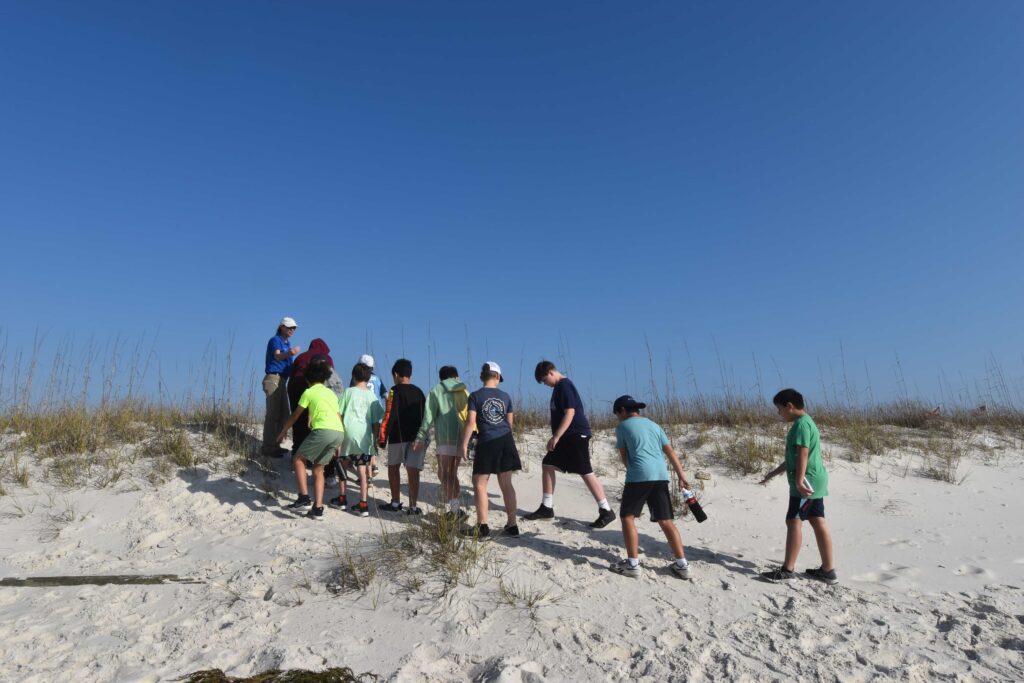
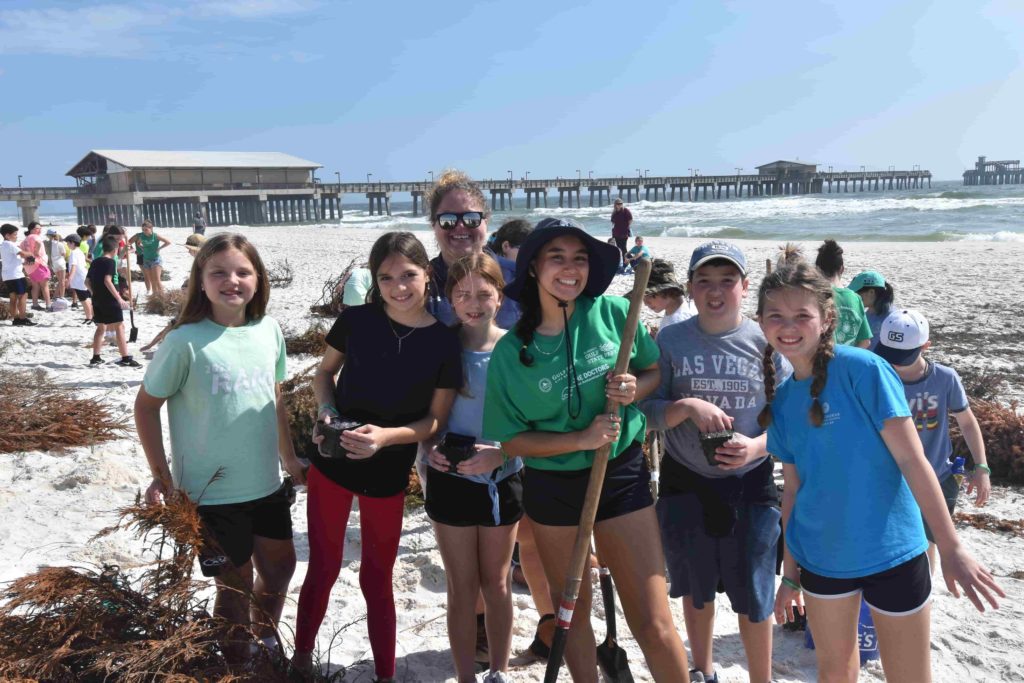
- Stay on boardwalks and marked paths instead of walking on dunes.
- Turn off or lower outdoor lights at night.
- Keep pet cats indoors.
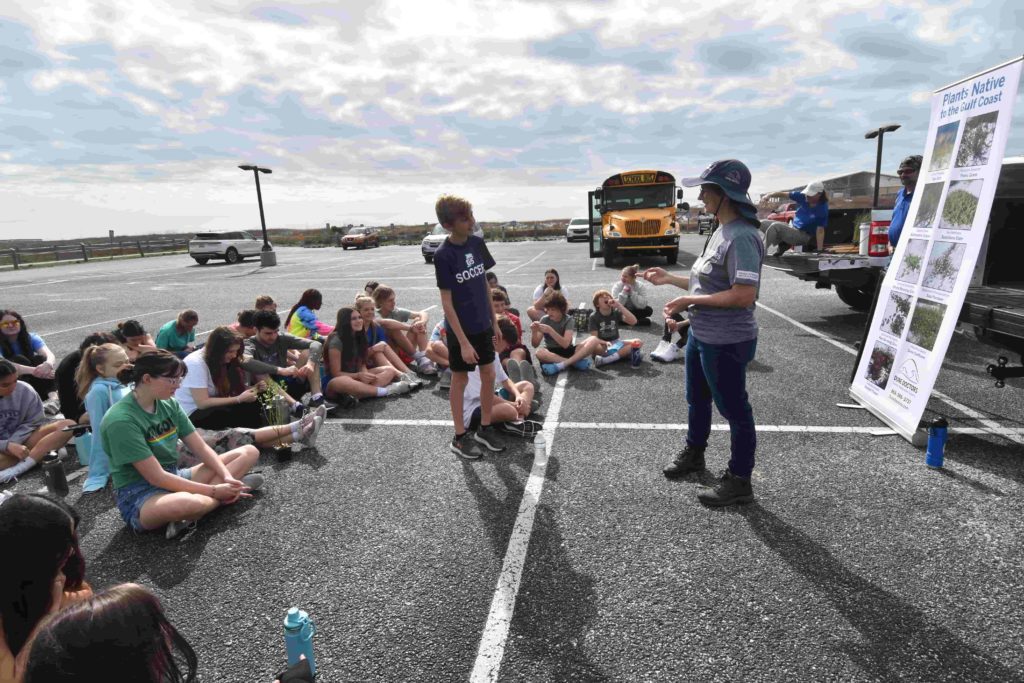
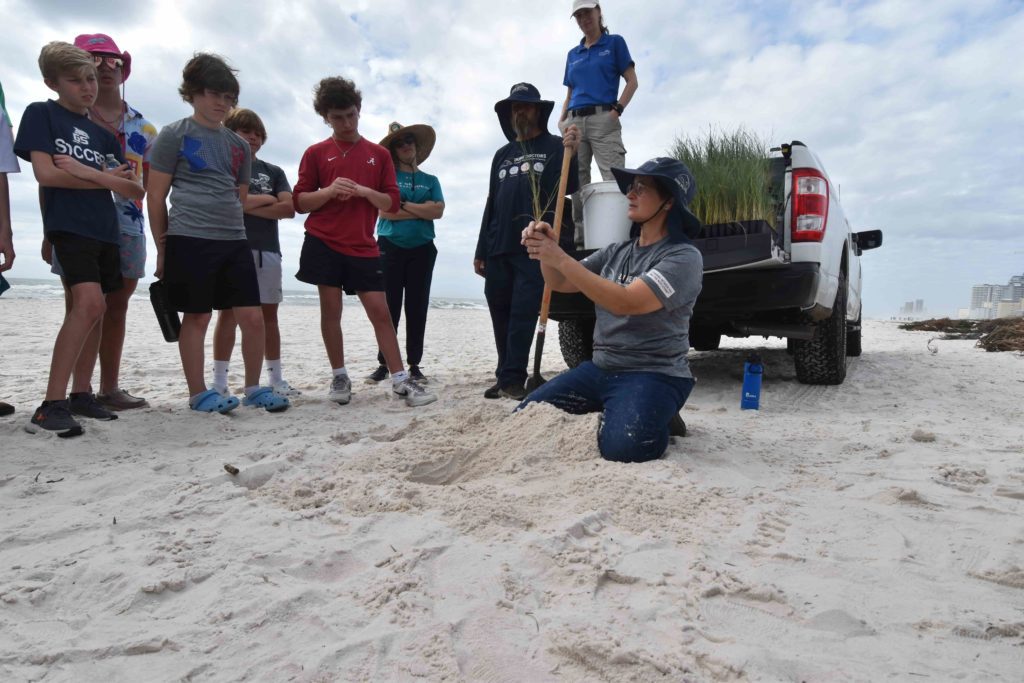
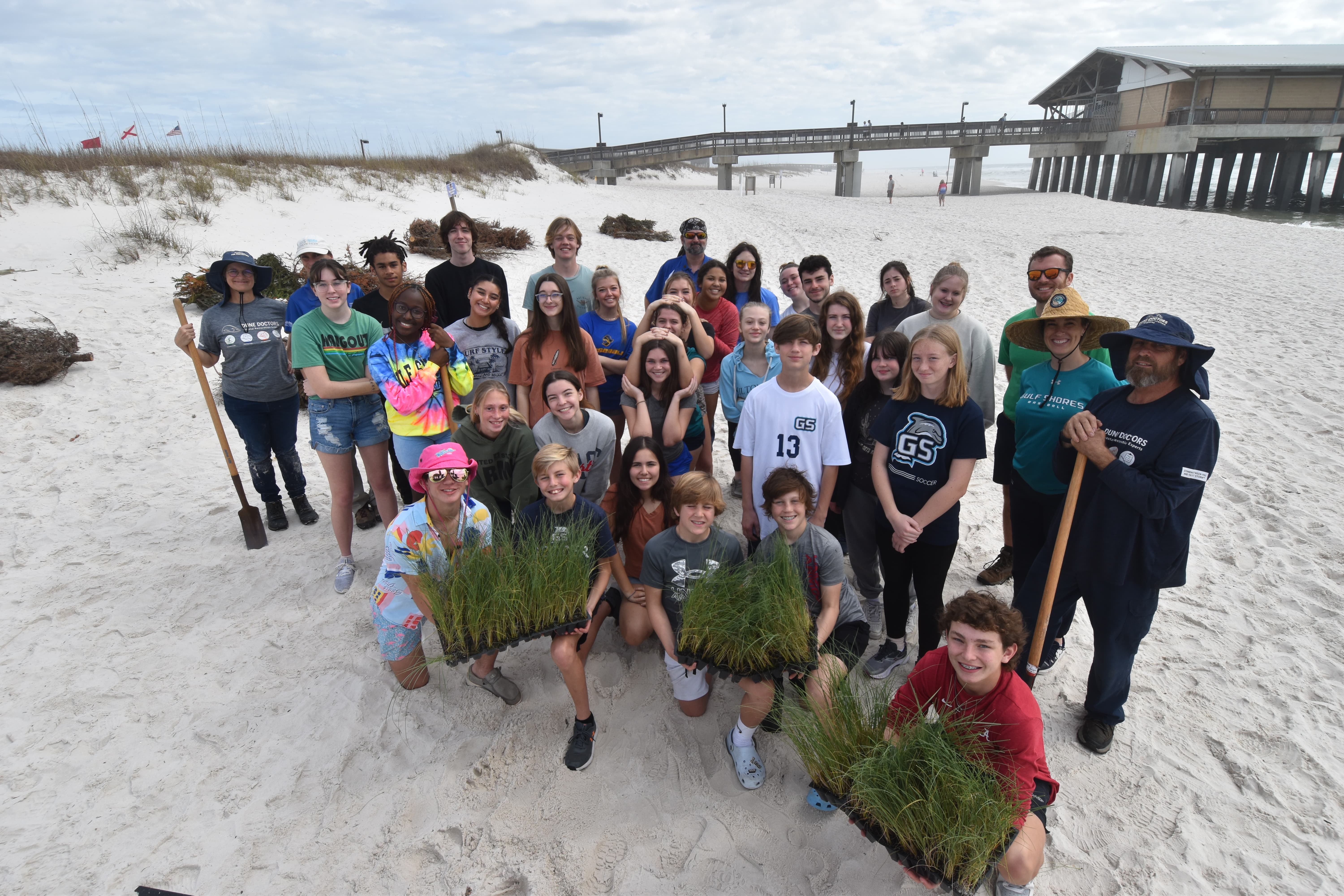
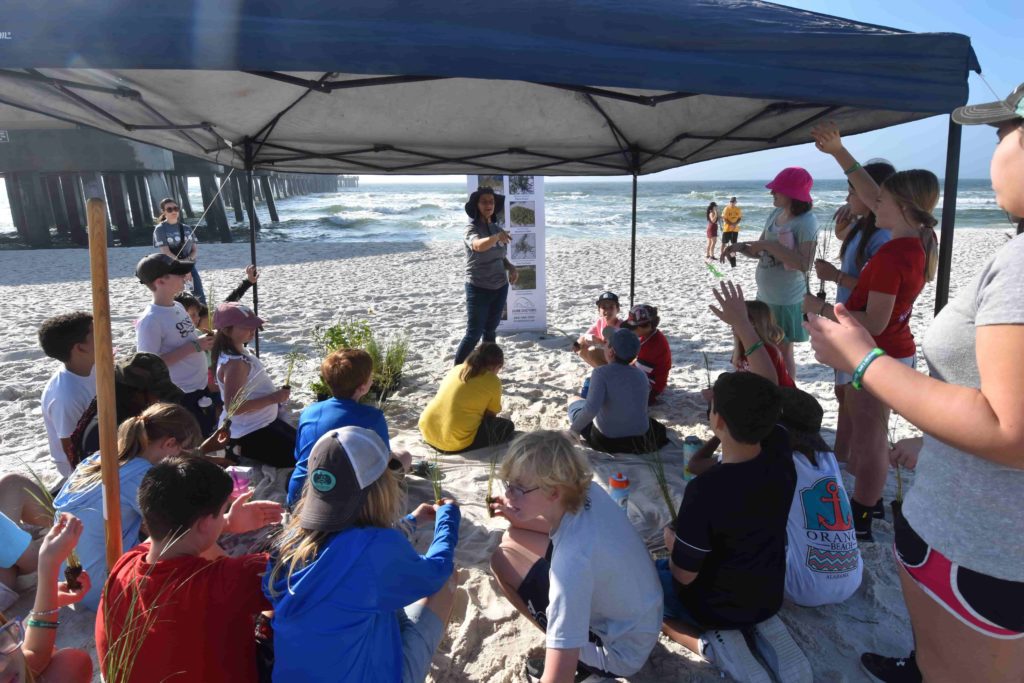
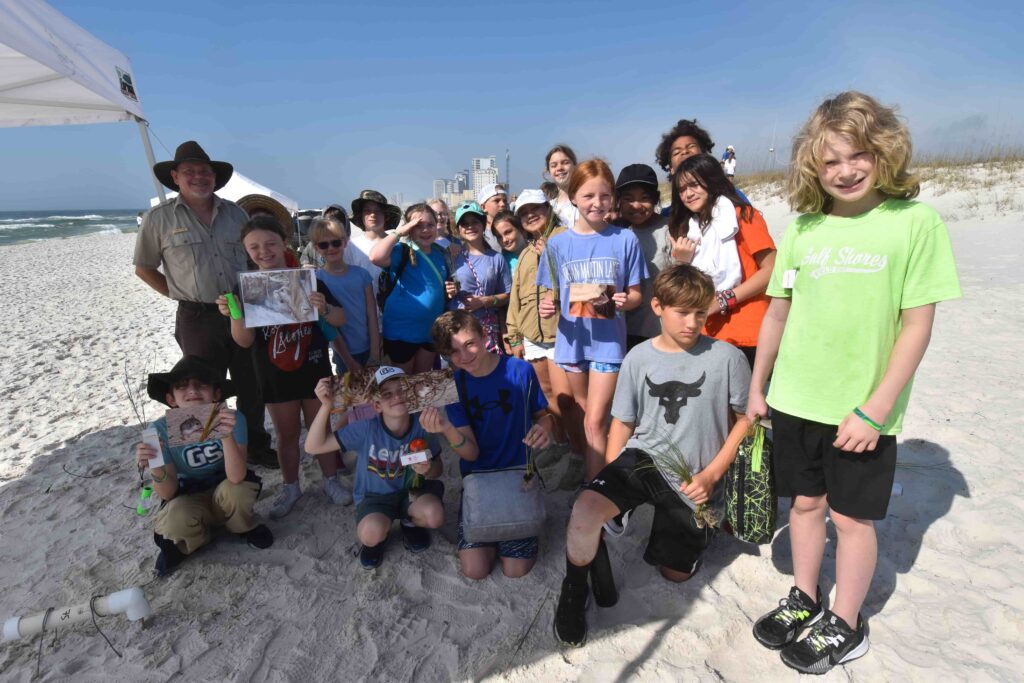
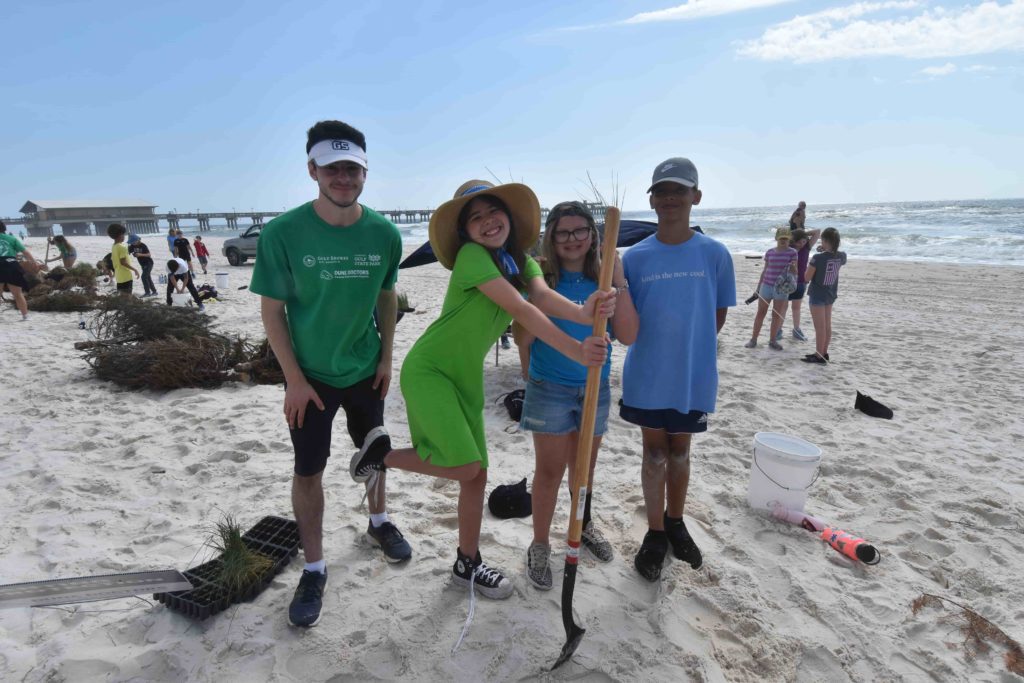
- Plant native dune plants like sea oats.
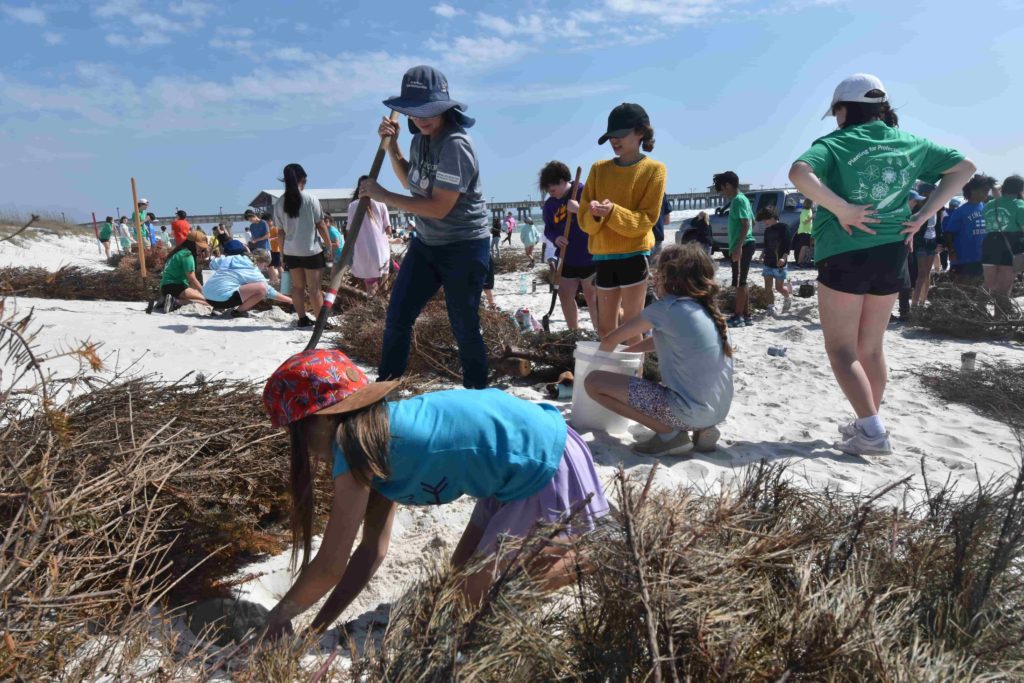
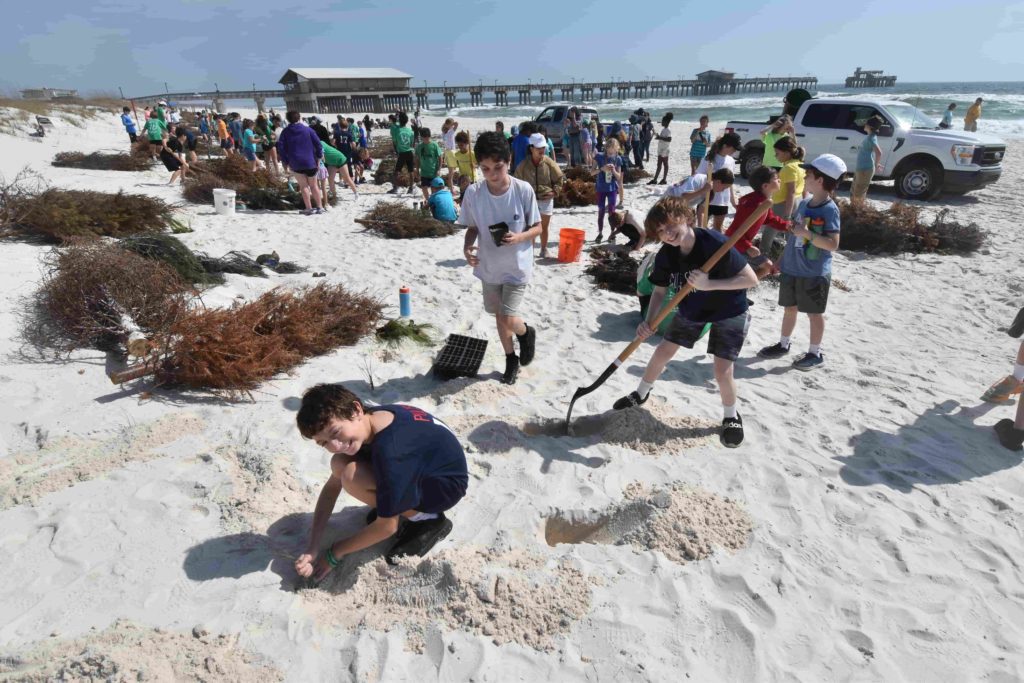
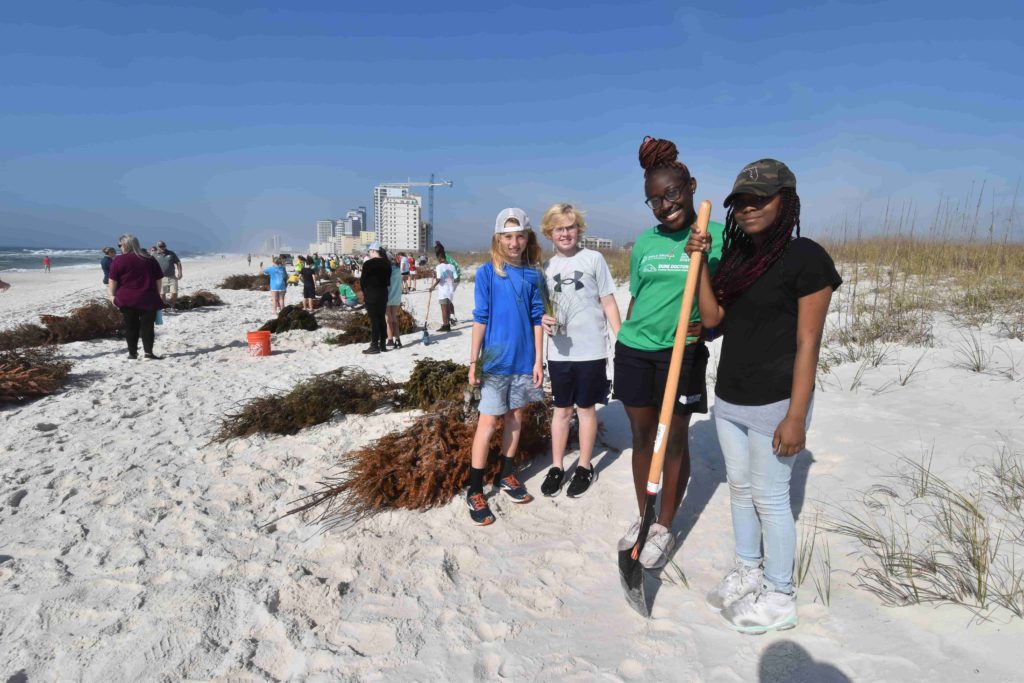
- Leave storm-damaged plants in place when possible because they help dunes recover.
- Tell others why beach mice are important.
Even though beach mice are tiny, they help keep sand dunes healthy and strong. Protecting them also protects the beaches and wildlife that depend on these special coastal habitats.